
ENACT: Enhancing Nature-based Solutions for an Accelerated Climate Transformation
The ENACT Partnership works to accelerate collective global efforts to address climate change, land and ecosystem degradation, and biodiversity loss through Nature-based Solutions (NbS).
Learn MoreThe ENACT Partnership
The ENACT Partnership is a pioneering global effort launched to address the intertwined crises of climate change, biodiversity loss, and land degradation. Due to this interconnectedness, it is essential that an integrated approach is taken to address these crises. NbS are an effective tool in this regard.
Through enhancing and catalysing NbS globally, ENACT aims to drive transformative change which supports the concurrent achievement of the Rio Convention goals.
ENACT's Mission
The ENACT Partnership provides a platform for state and non-state actors to collaborate and build support for the joint implementation of the Rio Conventions by spurring investments in nature, elevating evidence-based policy and accelerating NbS for climate change.
ENACT's Goals
Climate Change Adaptation
Enhance the protection and resilience of at least 1 billion vulnerable people, including at least 500 million women and girls
Climate Change Mitigation
Significantly increase global mitigation efforts through protecting, conserving, and restoring carbon-rich terrestrial, freshwater, and marine ecosystems
Enhancing Biodiversity
Secure up to 2.4 billion hectares of ecosystems through the protection of 45 million hectares, sustainable management of 2 billion hectares, and restoration of 350 million hectares
Explore ENACT
ENACT Partnership NbS Accelerator Pathways Report
Advancing systemic transformation through Nature-based Solutions for climate change.
MorePartnership
ENACT Partners are composed of both state and non-state actors committed to achieving the ENACT Goals and advancing the global NbS agenda.
MoreENACT NbS Profiles
Annually updated NbS Profiles providing a summary of the available information on NbS-related policies, financing, and governance in the context of each state partner.
MoreWhat's New

Rio Synergies Workshop at CBD COP17 – What does implementation look like in practice?
ENACTing commitments: Scaling Nature-based Solutions across land, climate and biodiversity agendas at UNCCD COP17
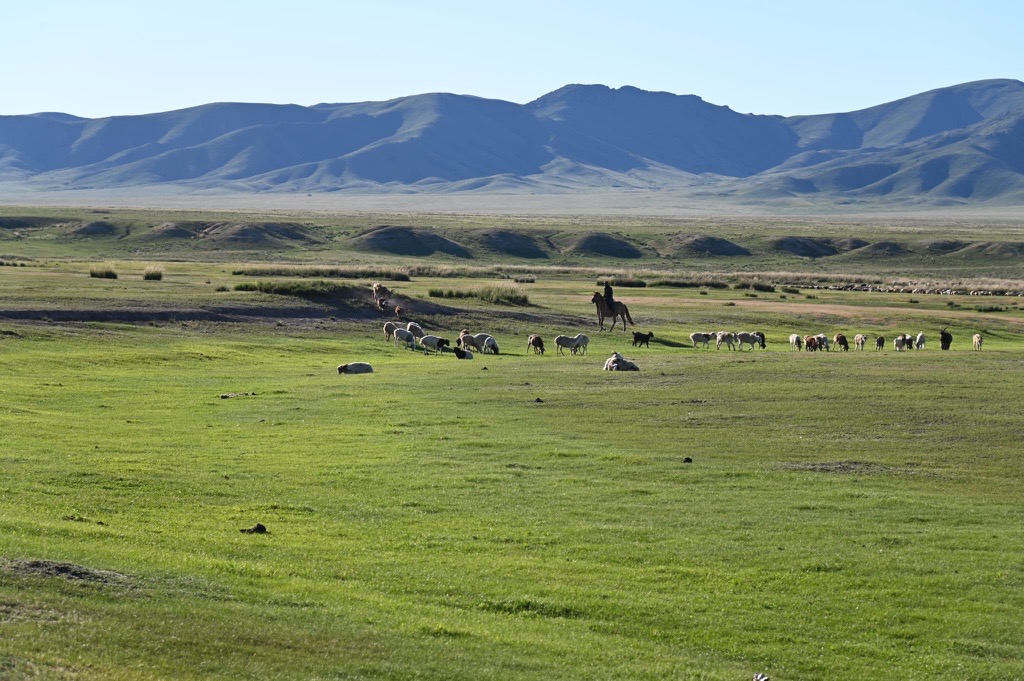
From ambition to action: Countries call for integrated solutions across land, climate and biodiversity at UNCCD COP17

UNCCD COP17 Presidency & ENACT Partnership High-Level Dialogue: Transformation for Land, Climate and Biodiversity Resilience through Nature-based Solutions

Ulaanbaatar Technical Dialogue on Rio Synergies: Land as the Common Ground
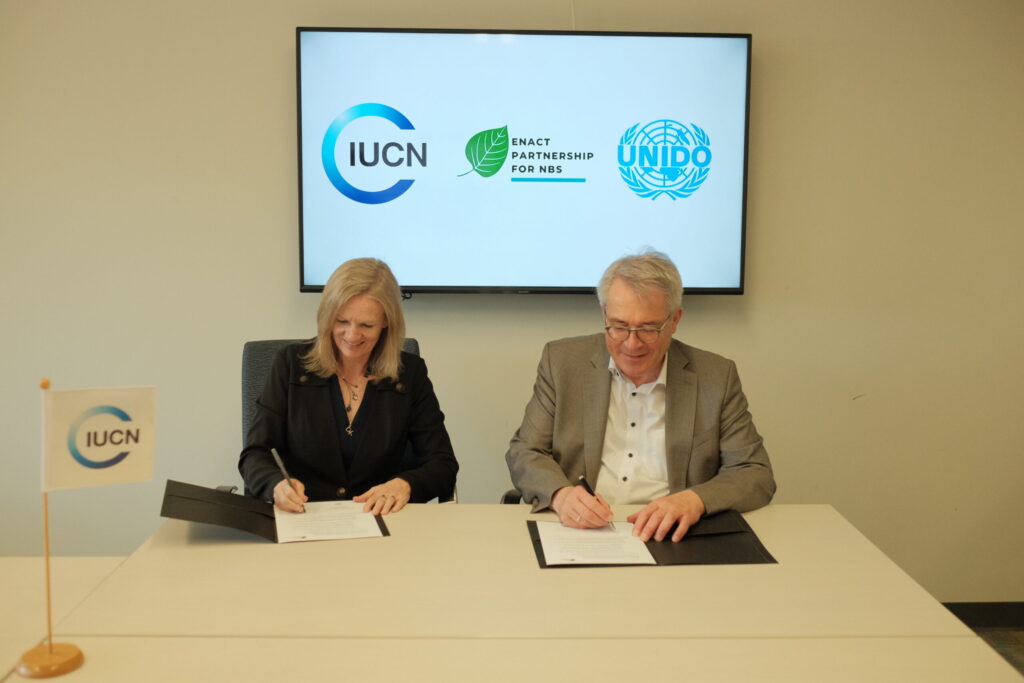
UNIDO joins ENACT Partnership to mainstream innovative finance for Nature-based Solutions in industry
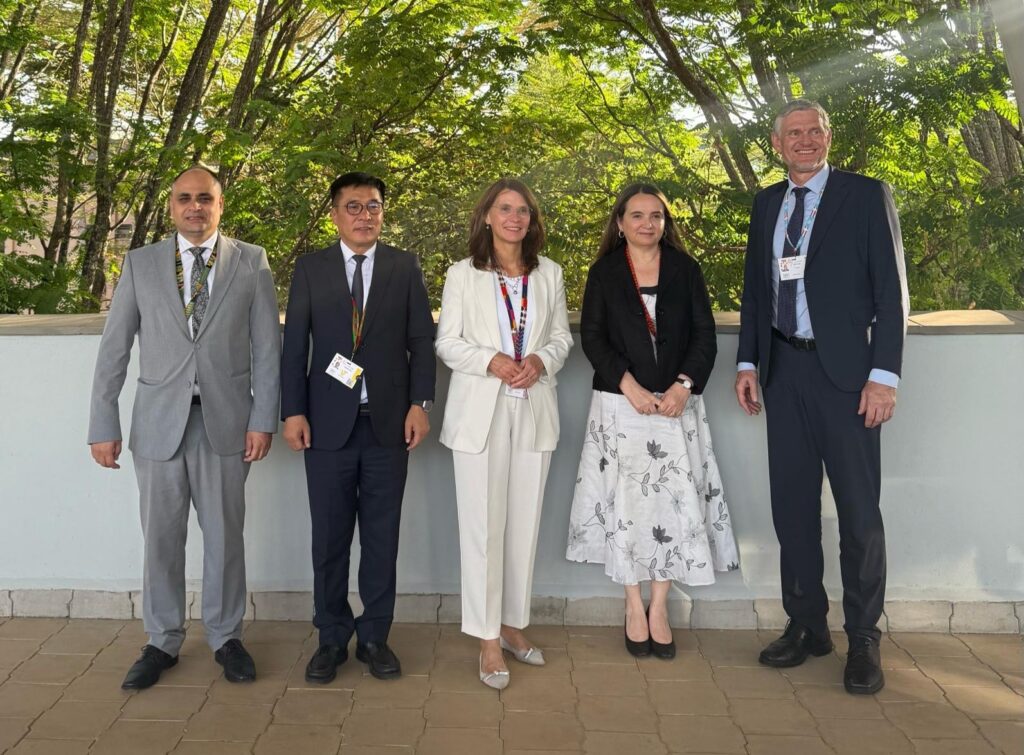
ENACT Partners Convene at UNEA-7 to Align 2026 Priorities and Support Incoming Rio Convention Presidencies
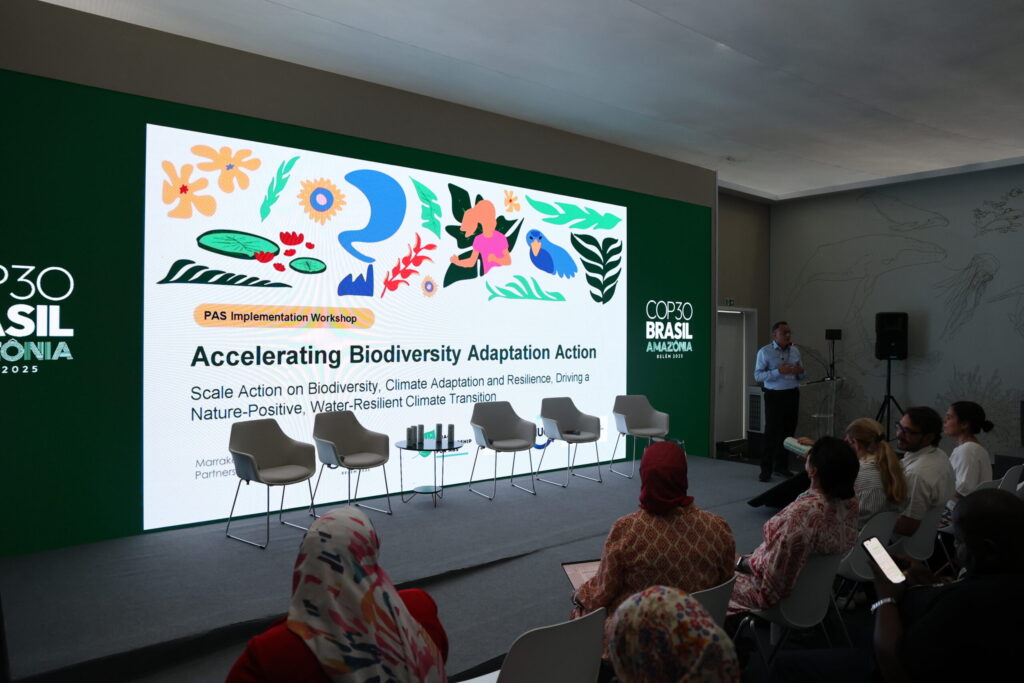
ENACT Partnership gathers global coalitions at COP30 to scale action on biodiversity adaptation and resilience, driving a nature-positive, water-resilient climate transition
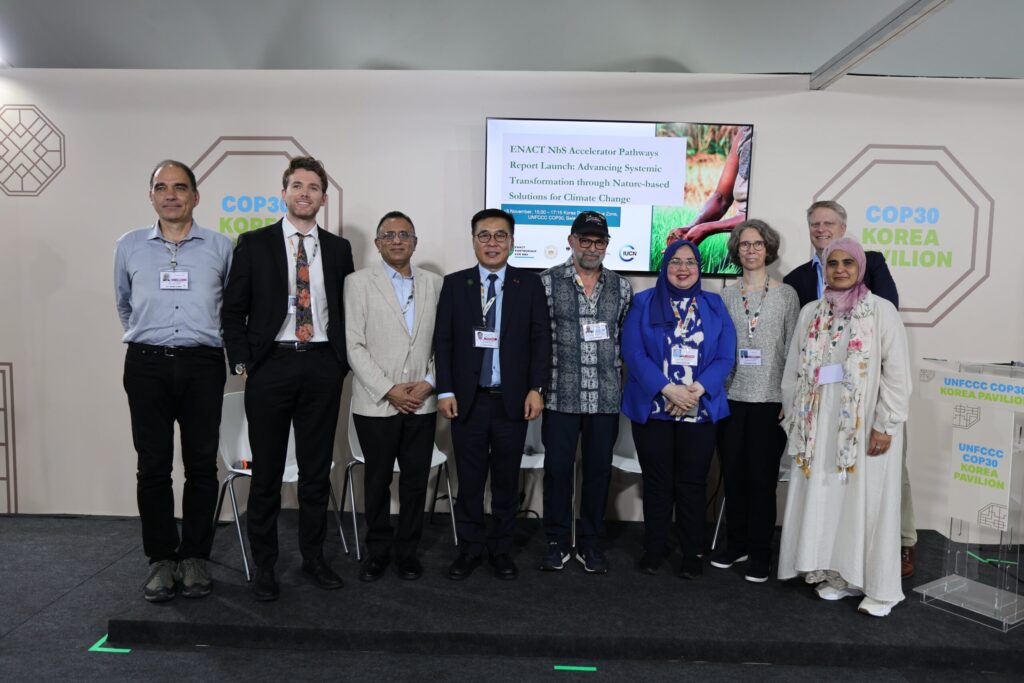
Mongolia joins the ENACT Partnership, ENACT launches landmark NbS Accelerator Pathways Report at COP30
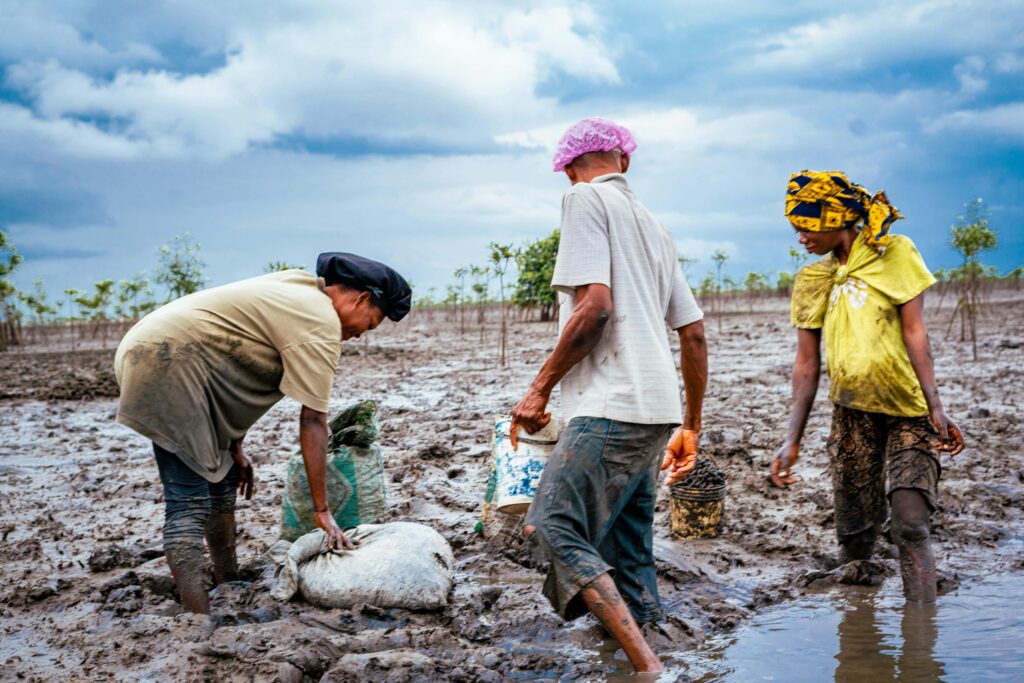
ENACT NbS Accelerator Pathways Report Launch: Advancing Systemic Transformation through Nature-based Solutions for Climate Change

The ENACT COP30 Solutions Workshop: Accelerating Biodiversity and Adaptation Action
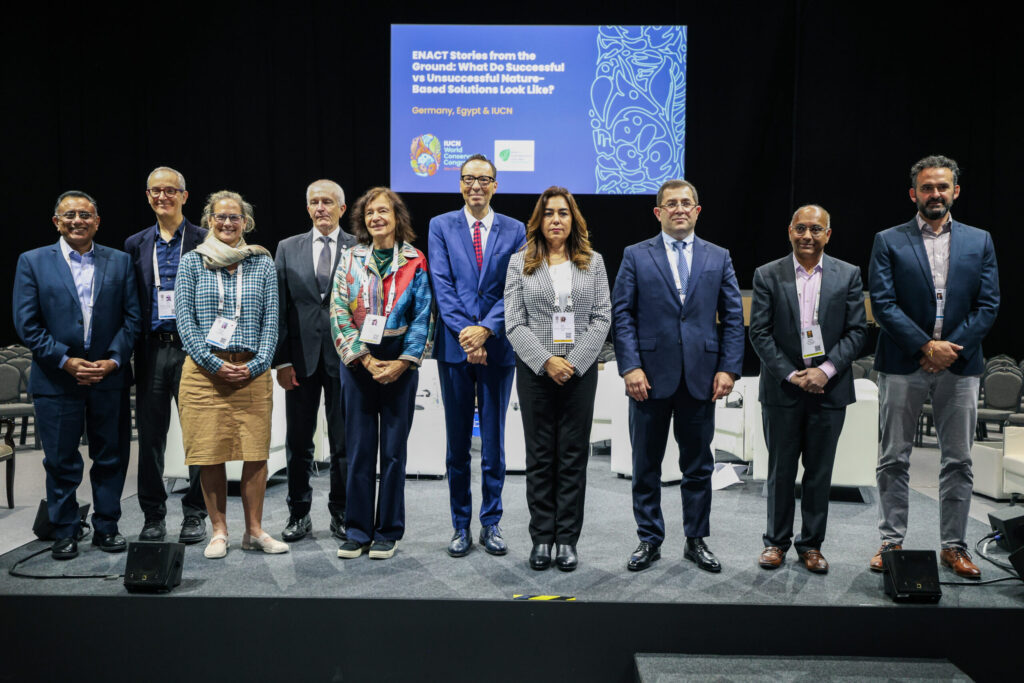
ENACT Partnership Stories from the Ground: Transforming Nature-Based Solutions for Climate Change
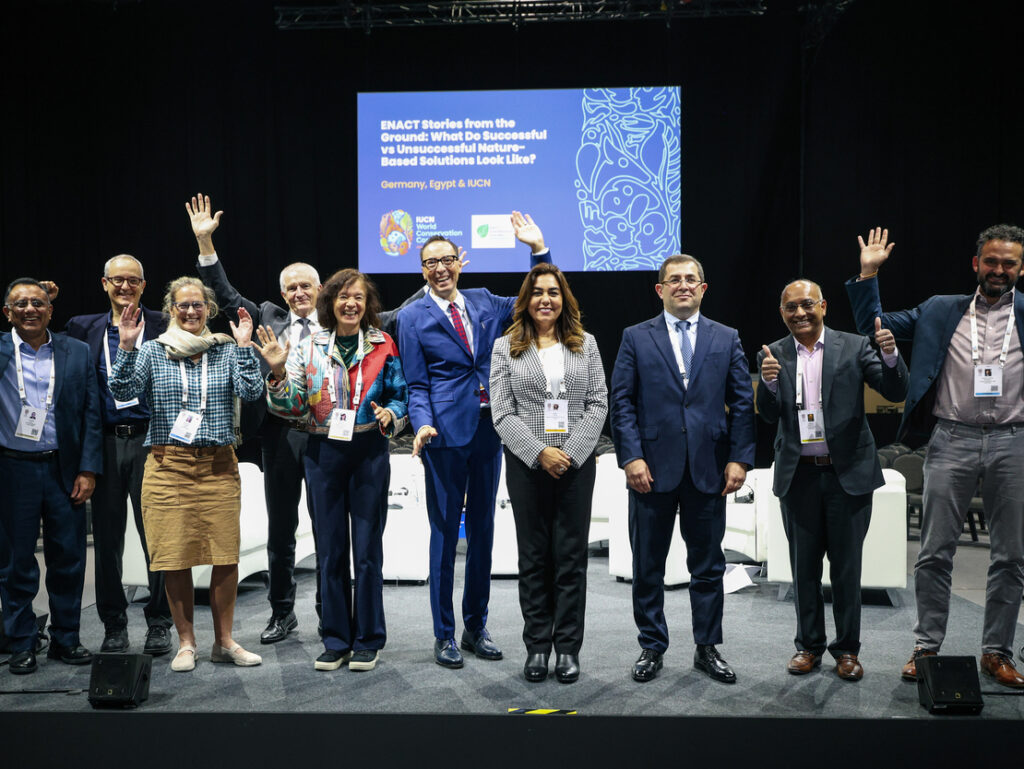
Armenia joins the ENACT Partnership, ENACT showcases success and challenges of Nature-based Solutions at IUCN World Conservation Congress